Norbert Freinkel Award Lecture: Understanding Diabetic Embryopathy - Roles of Oxidative Stress and Embryo Gene Expression
講者:Mary R. Loeken, PhD - Joslin Diabetes Center and Harvard Medical School
Session:Neonatal and Childhood Outcomes of Dysglycemia in Pregnancy
資料來源:本地 transcript.txt + slides_mid_text.md,由 Codex local/OAuth 方式整理;未使用 OpenAI API key,未使用 Google AI Studio。
Take-home Summary
Mary R. Loeken 的 Norbert Freinkel Award Lecture 以「fuel-mediated teratogenesis」為主軸,回顧糖尿病妊娠如何在胚胎發育極早期造成 malformations,特別是 neural tube defects 與 cardiac outflow tract defects。她的核心模型是:maternal hyperglycemia 透過胚胎 GLUT2 高容量 glucose uptake,使尚未具備成熟 ROS scavenging capacity 的早期胚胎發生 hypoxia/oxidative stress;ROS 啟動 AMPK 與 DNMT3b 等 metabolically sensitive enzymes,抑制 Pax3 induction;Pax3 不足使 p53 無法被適當降解,neuroepithelial apoptosis 增加,進而造成 neural tube closure failure。
這場演講不只是實驗結果彙整,也是一條研究生涯的邏輯線:從 Freinkel 的「pregnancy and progeny」概念,到 mouse diabetic pregnancy model、Pax3 expression、GLUT2 threshold、oxidative stress、epigenetic regulation,再到 GLUT2/glucosamine 在正常 early embryo growth 中可能具有的生理功能。Loeken 最後提醒,Pax3/p53 只是 diabetic embryopathy 的一條已被解析的 pathway;其他 developmental control genes 與 cell-death pathways 仍有待發現。
Slides 延伸補充:Slide 31 把整場演講的 central hypothesis 濃縮成一句:fuel metabolism regulates embryo gene expression;因此 maternal diabetes 中的 embryo fuel metabolism disturbance 會改變 gene expression、mRNA、protein,最後干擾 embryonic development。Slide 51-52 則將結論收斂為 ROS 抑制 Pax3、GLUT2-mediated glucose uptake 啟動 ROS/enzymes、glucose 同時抑制 glucosamine uptake。
得獎介紹與 Freinkel 傳承
主持人介紹 Loeken 是 2026 Norbert Freinkel Award 得主,長期任職於 Joslin Diabetes Center 與 Harvard Medical School。她的研究深受 Priscilla White 與 Norbert Freinkel 以 embryo、nutrient metabolites、development 為核心的 pioneering work 影響,並聚焦於 diabetic embryopathy 的分子發育機制與 prevention strategy。
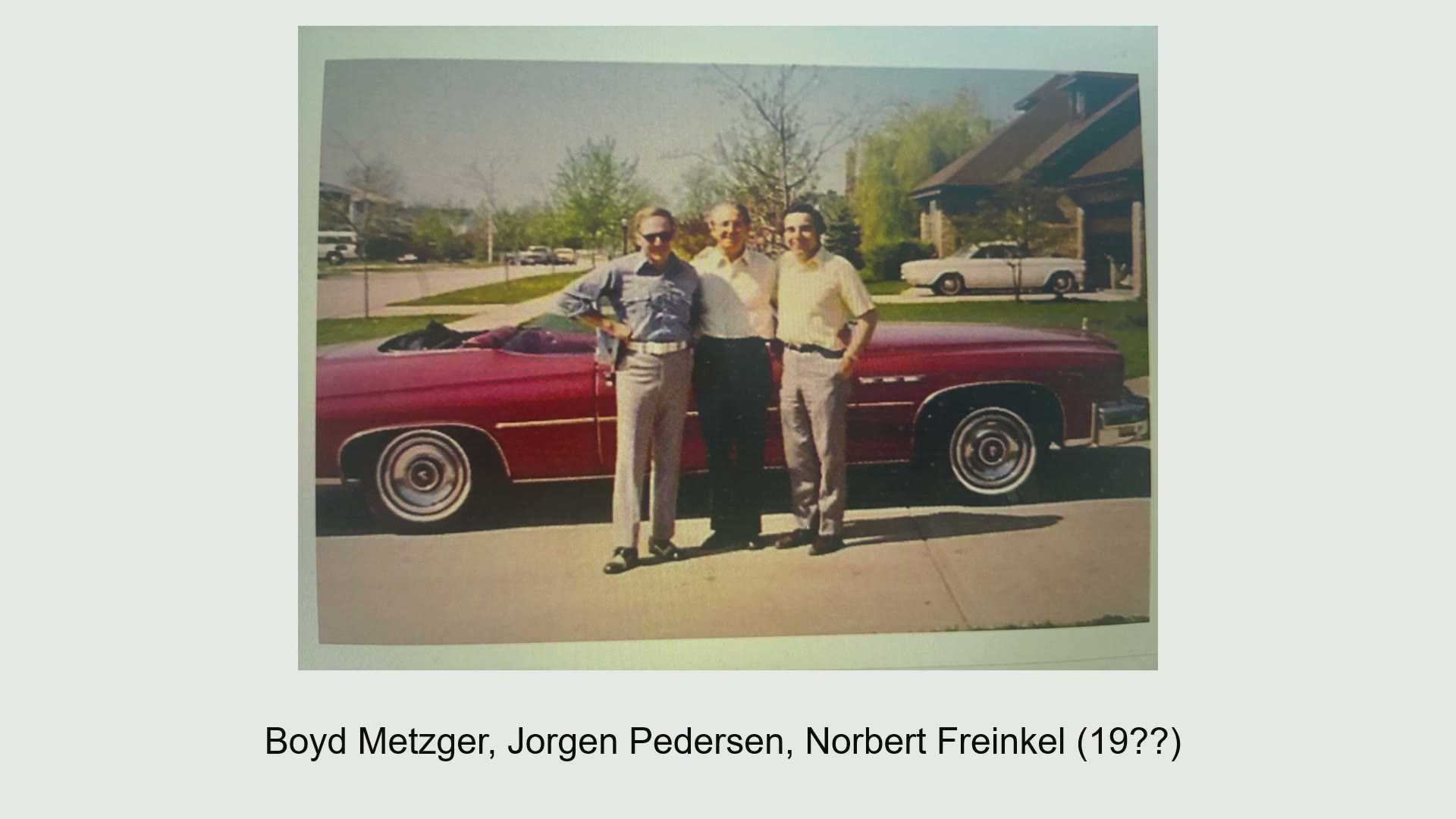
Loeken 開場也紀念 Boyd Metzger。她說 Metzger 曾保存並拍攝許多 Freinkel 與同事的歷史影像,也正是他推動 ADA 以年度 award 形式紀念 Freinkel 對 diabetes and pregnancy 的貢獻。她提到 Metzger 於 2025 年 12 月過世,並邀請聽眾參加隔日的 tribute。
Slides 延伸補充:Slide 23 顯示 Boyd Metzger、Jorgen Pedersen、Norbert Freinkel 的歷史照片。Slide 24 展示 Freinkel 1980 Banting Lecture「Of Pregnancy and Progeny」的經典文本,內容提到 pregnancy 會改變母體 fuel economy,糖尿病妊娠可能放大這些正常依賴性,並造成 progeny 的 survival、anthropometric 與 developmental alterations。
從地球氧化史到胚胎氧化脆弱性
Loeken 以一個看似遙遠的問題切入:要理解 oxidative stress 如何影響 embryo,需要先看月球與地球。月球引力造成潮汐,長期減慢地球自轉;數十億年前地球一天只有約 6 小時,之後 day length 逐漸增加。較長日照增加 photosynthetic bacteria proliferation,造成大氣氧濃度階梯式上升。大氣氧化是生命史上極具衝擊的環境變化,使 aerobic organisms 得以演化並擴張。
Aerobic mitochondrial metabolism 能從 carbon fuel sources 產生更多 ATP,但代價是 superoxide radicals 與 reactive oxygen species, ROS。為了存活,aerobic organisms 必須演化出 ROS scavenging mechanisms。
Loeken 接著把這段演化史轉回胚胎:mammalian embryos 在早期代謝上不像成熟 aerobic organisms,反而更像地球氧化前的生命狀態。早期胚胎尚未 vascularized,氧氣供應有限,mitochondria 很少,fuel metabolism 主要偏 anaerobic,且尚未發展完整 ROS scavenging capacity。因此,一旦 maternal diabetes 造成 excess glucose metabolism,胚胎特別容易進入 oxidative stress。
Slides 延伸補充:Slide 27 顯示 day length 與 oxygen concentration 的長期變化;Slide 28 說明 oxygenation 促成 aerobic metabolism,也帶來 ROS;Slide 29 則明確列出 mammalian embryos 的特殊性:predominantly anaerobic、few mitochondria、not yet developed ROS scavenging capacity。
臨床問題:糖尿病妊娠與 birth defects
Loeken 指出,在 Freinkel 的年代已知、今日仍成立的是:pregestational diabetes,不論 type 1 或 type 2,都會增加 birth defects。目前即使有 optimal control 與 pre-pregnancy planning,birth defects 仍約為非糖尿病妊娠的 2-3 倍。Birth defects 也是 neonatal death and disability 的重要原因。
這引出她實驗室長期追問的問題:maternal diabetes 中的 high glucose 是否會增加 embryo ROS,進而導致 malformations?如果會,分子機制是什麼?
她提出 central hypothesis:fuel metabolism regulates embryo gene expression。也就是說,maternal diabetes 造成 embryo fuel metabolism disturbance,會破壞 embryo gene expression,最終影響 embryonic development。
Mouse diabetic pregnancy model:E7.5-E10.5 對應人類極早孕期
Loeken 實驗室建立了 diabetic pregnancy mouse model:以 streptozotocin 破壞 pancreatic beta cells,再用 subcutaneous insulin pellets 在孕前相對控制 hyperglycemia。交配後約 E4.5,也就是 implantation day,母鼠再次 hyperglycemic,推測是 early pregnancy insulin demand 增加而 insulin pellets 無法完全跟上;control mice 則能自行調節 insulin production 維持 glycemia。
研究通常在 E7.5 檢測 biochemical markers,在 E8.5 檢測 RNA/gene expression,在 E10.5 score malformations。Loeken 強調,mouse E7.5-E10.5 約對應人類 LMP 4-5 週,也就是很多女性剛意識到懷孕的時間點。這使 prevention 的時間窗非常早。
Slides 延伸補充:Slide 32 清楚畫出 STZ、insulin pellets、mate、E4.5 hyperglycemia、E7.5/E8.5/E10.5 assays 的流程,並標註 E7.5-E10.5 約等於 human pregnancy weeks 4-5 by LMP。
Pax3:diabetic embryopathy 中的 developmental control gene
在 diabetic mice embryos 中,Loeken 團隊觀察到高頻 neural tube defects,尤其 exencephaly,有時也有 spina bifida,外觀類似 Pax3 Splotch mutation。Pax3 loss-of-function mutation 可造成 neural tube defects,因此團隊假設 diabetic pregnancy 可能在胚胎中複製 Pax3 mutation 的效果。
他們以 in situ hybridization 檢測 E8.5 dorsal embryo/headfold 的 Pax3 expression,發現 diabetic mice embryos 的 Pax3 mRNA 顯著下降。Loeken 說,當然 diabetic embryopathy 可能有其他 molecular/morphogenetic abnormalities,但因 Pax3 Splotch embryos 的 neural tube defects 具有 100% penetrance,單純讓 Pax3 expression 低於 critical threshold,就足以造成 neural tube defect。
這讓她實驗室 30 多年的研究可被概括成兩個問題:
- Maternal diabetes 如何抑制 Pax3 expression?
- Pax3 不足如何造成 neural tube defects?
Slides 延伸補充:Slide 33 顯示 diabetic mice embryos 的 NTD 類似 Pax3 Splotch;Slide 34 顯示 maternal diabetes inhibits Pax3 expression;Slide 35 把路徑畫成 maternal DM → lower Pax3 expression → lower PAX3 protein → neural tube defect。
Hyperglycemia 是否必要且充分?
為回答「high glucose 是否為 teratogen」,Loeken 團隊做了雙向實驗。
第一,對 diabetic pregnant mice 使用 phlorizin,在 Pax3 expression onset 前促進 renal glucose excretion,降低 maternal glucose,但不改變糖尿病其他 metabolic disturbances。結果顯示,降低 maternal glucose 可減少 Pax3 inhibition 與 neural tube defects,表示 hyperglycemia 對 adverse effects 是必要的。
第二,對 non-diabetic mice 注射 glucose,在 E7.5、也就是 Pax3 expression onset 前一天誘發 hyperglycemia。這會抑制 Pax3 expression 並增加 neural tube defects,模擬 diabetic pregnancy 的效果,表示 hyperglycemia 對 adverse effects 是充分的。
從降低與升高 maternal glucose 的實驗,她們估計約 14 mM,約 250 mg/dL 是 teratogenic threshold。Loeken 特別請聽眾記住這個數字,因為後面會和 GLUT2 的 high-Km transport threshold 對上。
GLUT2:高血糖時胚胎像 glucose sponge
早期文獻顯示 embryo 表現 GLUT1、GLUT3 這類 low-Km glucose transporters,也表現 GLUT2,後者通常在 postnatal pancreatic beta cells 與 liver 等暴露於 meal-related high glucose 的組織表現。Loeken 團隊直接測量 embryo glucose uptake kinetics,發現 embryo 的 glucose uptake Km 約 17 mM,是 high-Km pattern。
在 physiological glucose concentrations 下,GLUT1/GLUT3 足以輸送 glucose;但當 glucose 上升到約 16-17 mM,GLUT1/3 接近飽和,GLUT2 開始輸送大量 glucose,使 embryo 像 glucose sponge 一樣吸收過多 glucose。
接著她們用 GLUT2 knockout mice 測試 GLUT2 是否必要。Wild-type embryos 在 hyperglycemic pregnancies 中有 30-70% malformations;heterozygotes 部分被保護;homozygous GLUT2 knockout embryos 則沒有 malformations。這證明 GLUT2 對 diabetic embryopathy 是 essential,也暗示若 blood glucose 能維持低於 GLUT2 Km,理論上應可預防 diabetic embryopathy。
Slides 延伸補充:Slide 36 顯示 16 mM glucose 下 GLUT2 介入 embryo glucose uptake;Slide 38 的結果顯示 hyperglycemic pregnancies 中 malformation percentage:wild-type 約 37%、Glut2+/- 約 17%、Glut2-/- 為 0,並寫出 keeping blood glucose below GLUT2 Km should prevent diabetic embryopathy。
從高 glucose transport 到 hypoxia 與 oxidative stress
Loeken 接著問:increased glucose transport 如何抑制 Pax3 expression?
她描述 E7.5 embryo 的解剖環境:embryo 與 yolk sac 尚未 vascularized,位於 vascularized deciduum 內,氧氣供應受 diffusion limitation 影響,因此 embryo 本來就處於 physiological hypoxic environment。若 high glucose 增加 fuel metabolism,即使主要是 anaerobic,也可能推動更多 aerobic metabolism,使 oxygen consumption 超過可補充速度。
團隊與 Woods Hole Oceanographic Institute 的 Peter Smith 合作,用 self-referencing oxygen microelectrodes 測量 E7.5 embryo headfold 的 oxygen flux。母鼠接受 glucose 或 saline 4 小時後,glucose 組 embryo headfold oxygen flux 顯著下降,表示 maternal hyperglycemia 使 embryo 更 hypoxic。
Hypoxia 可增加 superoxide radical、hydrogen peroxide、hydroxyl radical 等 ROS,進而抑制 Pax3 expression。Loeken 團隊也證明,把 pregnant non-diabetic mice 放在 hypoxic chambers 中會誘發 oxidative stress 並抑制 Pax3;而 glutathione 或 vitamin E 可阻斷 hypoxia/high glucose 對 Pax3 的影響。
Slides 延伸補充:Slide 40 顯示 E7.5 embryo 位於 physiologically hypoxic environment;Slide 41 顯示 maternal hyperglycemia makes embryos more hypoxic;Slide 42 將路徑整合成 high glucose → GLUT2 → hypoxia/ROS → lower Pax3 expression → anterior neural tube defects。
ROS 如何抑制 Pax3:AMPK 與 DNMT3b
Loeken 接著拆解 ROS 抑制 Pax3 的分子機制。
第一個機制是 AMPK。成人組織中已知 ROS 可刺激 AMP-activated protein kinase。她們發現 high glucose 也會刺激 embryo AMPK activity,而 glutathione 與 vitamin E 可抑制這個 effect。用 AICAR 刺激 AMPK 會抑制 Pax3;用 compound C 抑制 AMPK 則可阻斷 AICAR effect。這表示 AMPK 是一個能感知 metabolic/oxidative stress 並抑制 Pax3 的 enzymatic sensor。
第二個機制是 epigenetic regulation。未表現的 Pax3 gene 在 undifferentiated embryo cells 中由 cytosine methylation 保持 silent;分化時 CpG demethylation 使 Pax3 啟動。Loeken 團隊發現 oxidative stress 會抑制 differentiation-induced demethylation of Pax3,並且 ROS 會刺激 DNA methyltransferase activity,特別是 DNMT3b,導致 Pax3 induction 被抑制並造成 neural tube defects。
她的整合模型是:在正常發育中,隨 vascularization 轉向較 aerobic metabolism 時,若沒有 oxidative stress,AMPK/DNMT3b 這些原本維持 Pax3 silencing 的 enzyme 應被抑制,讓 Pax3 可被誘導;但 high glucose 造成 ROS,反而刺激這些 enzyme,使 Pax3 持續被壓抑。
Pax3 不足如何造成 neural tube defects:p53-mediated apoptosis
Pax3 是 9 個 mammalian Pax developmental control genes 之一,編碼 paired domain 與 paired-type homeodomain。Loeken 團隊早期以 TUNEL assay 發現,diabetic mice embryos 與 Pax3 Splotch embryos 在 neural tube defect site 的 neuroepithelial cells 發生 apoptosis,暗示 cell death 使 neural tube closure 失敗。
為測試 apoptosis 是否由 p53 介導,她們交配 heterozygous Splotch 與 p53 knockout mice。Pax3 mutant 且 p53 wild-type embryos 會有 neural tube defects 與 apoptosis;但 Pax3 mutant 且 p53 knockout embryos 不會出現 neural tube defects 或 apoptosis,外觀與 wild-type embryos 幾乎不可區分。這證明 Pax3 deficiency 造成的 neural tube defects 是 p53-dependent。
後續 embryonic stem cell studies 顯示,PAX3 protein 與 p53 protein 有 physical association,並刺激 p53 degradation。在正常情況下,PAX3 使 p53 降解,讓 neural tube closure 得以進行;當 Pax3 expression 不足,p53 無法被適當降解,p53 accumulation 造成 neuroepithelial apoptosis,進而形成 neural tube defects。
Slides 延伸補充:Slide 44 顯示 Pax3-deficient embryos 的 apoptosis 與 NTD 由 p53 tumor suppressor protein 造成;Slide 45 將這段機制畫成 Pax3 expression → PAX3 protein → p53 suppression/degradation → neural tube closure。
為什麼胚胎要表現 GLUT2?
Loeken 回頭問一個演化與發育上的問題:如果 GLUT2 在 maternal hyperglycemia 時讓 embryo 易受 diabetic embryopathy 影響,為什麼早期 embryo 要表現 GLUT2?在正常 glucose 下,GLUT2 作為 glucose transporter 並不有效,為什麼其表現會被保留?
她們重新檢視 GLUT2 genotype 的 embryo recovery,在 control PBS conditions 下沒有得到預期 Mendelian ratios。相較 wild-type,heterozygous embryos 約少一半,homozygous knockout 又再少一半,暗示 GLUT2 對 normal glucose concentrations 下的 early embryo survival/growth 也重要。
關鍵在於 GLUT2 不只 transport glucose,也可 transport glucosamine。Glucosamine 進入 hexosamine biosynthetic pathway,生成 UDP-N-acetylglucosamine,供 N-linked glycosylation 與 O-GlcNAcylation 使用;後者特別影響 transcription factors。
傳統 embryonic stem cells 多在 25 mM glucose、也就是嚴重 diabetic range 的培養基中建立,已失去 GLUT2 expression。Loeken 團隊因此在 low glucose 5.5 mM、5% O2 條件下建立新的 LG-ESC lines,保留 functional GLUT2 與 high-Km glucose transport kinetics。用這些細胞研究後發現,GLUT2-transported glucosamine 可刺激 pluripotent LG-ESC proliferation;若 knock down GLUT2,glucosamine stimulation 消失。
這表示正常早期胚胎可能利用 GLUT2-mediated glucosamine transport 促進 pluripotency、growth 與 early development;但在 hyperglycemia 下,GLUT2-mediated glucose transport 會抑制 glucosamine transport 約 40%,使高 glucose 的危害不僅是 excessive glucose uptake,也可能包含 reduced glucosamine uptake 與 impaired glucosamine-stimulated development。
Slides 延伸補充:Slide 46 顯示 GLUT2 對 normal glucose 下 embryo survival 重要;Slide 47-50 補充 GLUT2 transports glucosamine、low-glucose ESC lines retain GLUT2、glucosamine stimulates pluripotent LG-ESC proliferation,以及 high glucose inhibits glucosamine transport by 40%。
總結模型
Loeken 的整合結論如下:
- Essential developmental control genes,例如 Pax3,可在 excess glucose metabolism 造成的 ROS 下被抑制。
- Maternal hyperglycemia 中,GLUT2-mediated glucose uptake 使胚胎 ROS 增加,並啟動 AMPK、DNMT3b 等 enzymes,抑制 Pax3 induction。
- 同時,高 glucose 也可能競爭性抑制 glucosamine uptake,削弱 glucosamine-stimulated growth and development。
- Pax3 expression 不足使 p53 stabilization 增加,啟動 neuroepithelial cell death,造成 neural tube defects。
- 同一路徑也可解釋 diabetic pregnancy 中增加的 cardiac outflow tract defects。
- 除 Pax3/p53 外,diabetic embryopathy 可能還有其他 developmental control genes 與 cell death pathways 被 dysregulated,需要繼續找出。
研究生涯與致謝
Loeken 最後感謝多年來實驗室成員、collaborators、co-authors 與 funding agencies,包括 NCI、NIDDK、ADA、JDRF、March of Dimes。她也感謝父母 Pat and Wil Loeken,以及早年 mentors Thomas Roth、Cornelia Channing、Jesse Roth、George Khoury。她回顧自己如何從 physiology、reproductive biology、molecular biology、transcription regulation 走到 diabetic embryopathy。
她也將研究生涯與家庭生命史放在一起:第一個 NIH R01 與 mouse protocol review 時,她正懷著第一個孩子;後來幾個孩子的出生與 R01 submission/review 交錯。她展示經典 Pax3 in situ hybridization 圖片時提到,當年拍下/處理那張後來反覆出現在演講中的圖時,孩子 Dominic 就坐在她腿上。這段結尾讓整場 award lecture 不只是機制研究,也是一位科學家在家庭、mentor、funding、lab members 與 long-term question 中持續工作的生命敘事。
Slides 延伸補充:Slide 53-59 是致謝與個人敘事,包括 lab members、collaborators、funding agencies、父母、mentors、家人與最後的 thank you。這些 slides 不只是禮貌性結尾,而是把 diabetic embryopathy 這條研究線放回 Freinkel-Metzger-White-Joslin/Harvard 以及 Loeken 個人學術生命的傳承中。
Take-home Summary
- Freinkel 的 fuel-mediated teratogenesis 概念,仍是理解 diabetic embryopathy 的核心框架。
- 早期胚胎尚未 vascularized、mitochondria 少、ROS scavenging capacity 未成熟,因此對 high glucose-induced oxidative stress 特別脆弱。
- Hyperglycemia 對 Pax3 suppression 與 neural tube defects 是必要且充分;約 14 mM/250 mg/dL 是 mouse model 中的 teratogenic threshold。
- GLUT2 是 diabetic embryopathy 的必要 transporter;當 glucose 接近 GLUT2 Km 時,胚胎可大量 uptake glucose。
- High glucose 經 GLUT2 增加 embryo hypoxia/ROS,啟動 AMPK 與 DNMT3b,抑制 Pax3 induction。
- Pax3 不足導致 p53 stabilization 與 neuroepithelial apoptosis,造成 neural tube closure failure。
- GLUT2 也可能在正常發育中透過 glucosamine transport 支持 pluripotent growth;hyperglycemia 可能同時造成 excessive glucose uptake 與 impaired glucosamine uptake。
- Pax3/p53 pathway 可解釋一部分 diabetic embryopathy,但其他 malformations 仍需尋找更多 developmental genes 與 cell death pathways。